Roofman’s approaches roofing as a disciplined process rather than a transactional service. Whether commercial or residential, each project begins with evaluation, continues through structured planning, and concludes with documented execution.
Our experience in commercial roofing influences how we think about risk, detailing, coordination, and long-term performance. That perspective shapes every recommendation we make.
Most roofing problems stem from decisions made without adequate evaluation, planning, or communication. Roofman’s addresses this by treating each project as a structured process with defined phases — not a series of reactive decisions.
Clarity Before Commitment
We begin by understanding the building, its use, constraints, and long-term goals. Clear scope definition and documented assumptions reduce confusion and protect all parties involved.
Structured Evaluation
Every project starts with a structured inspection. We assess roof condition, detailing, drainage, penetrations, transitions, and visible performance risks before recommending next steps.
Deliberate Planning
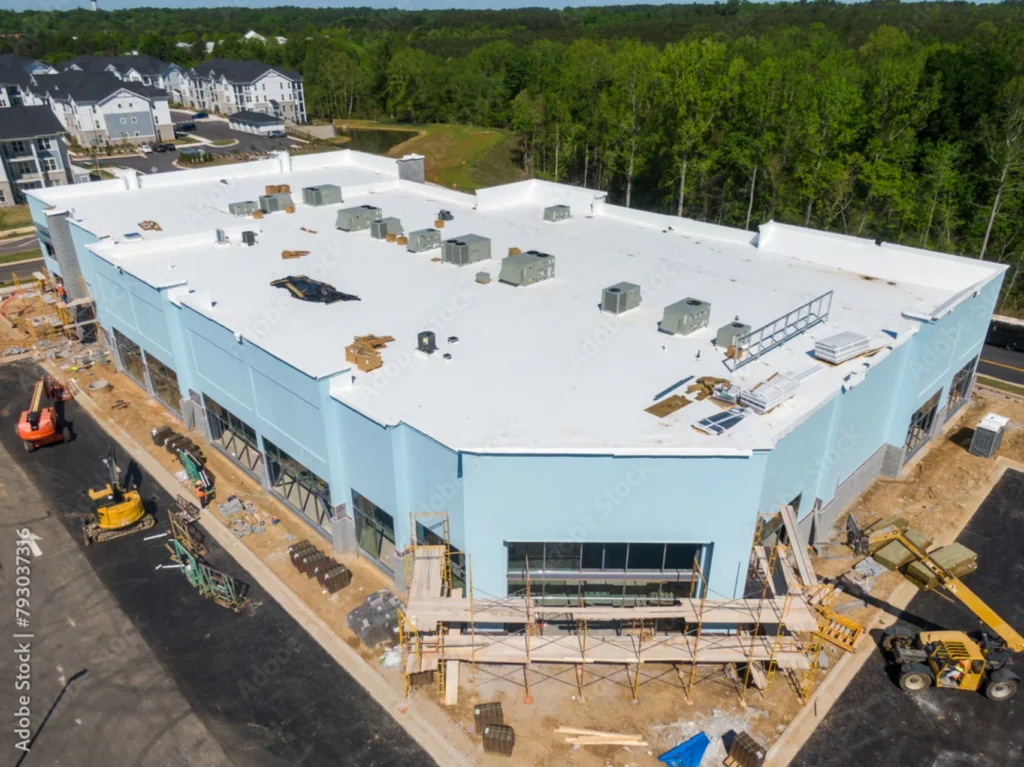
Planning considers warranty requirements, code alignment, sequencing, and operational impact. For commercial properties, this may include coordination with tenants, managers, or consultants. For residential projects, it means clear timelines and defined expectations.
Disciplined Execution
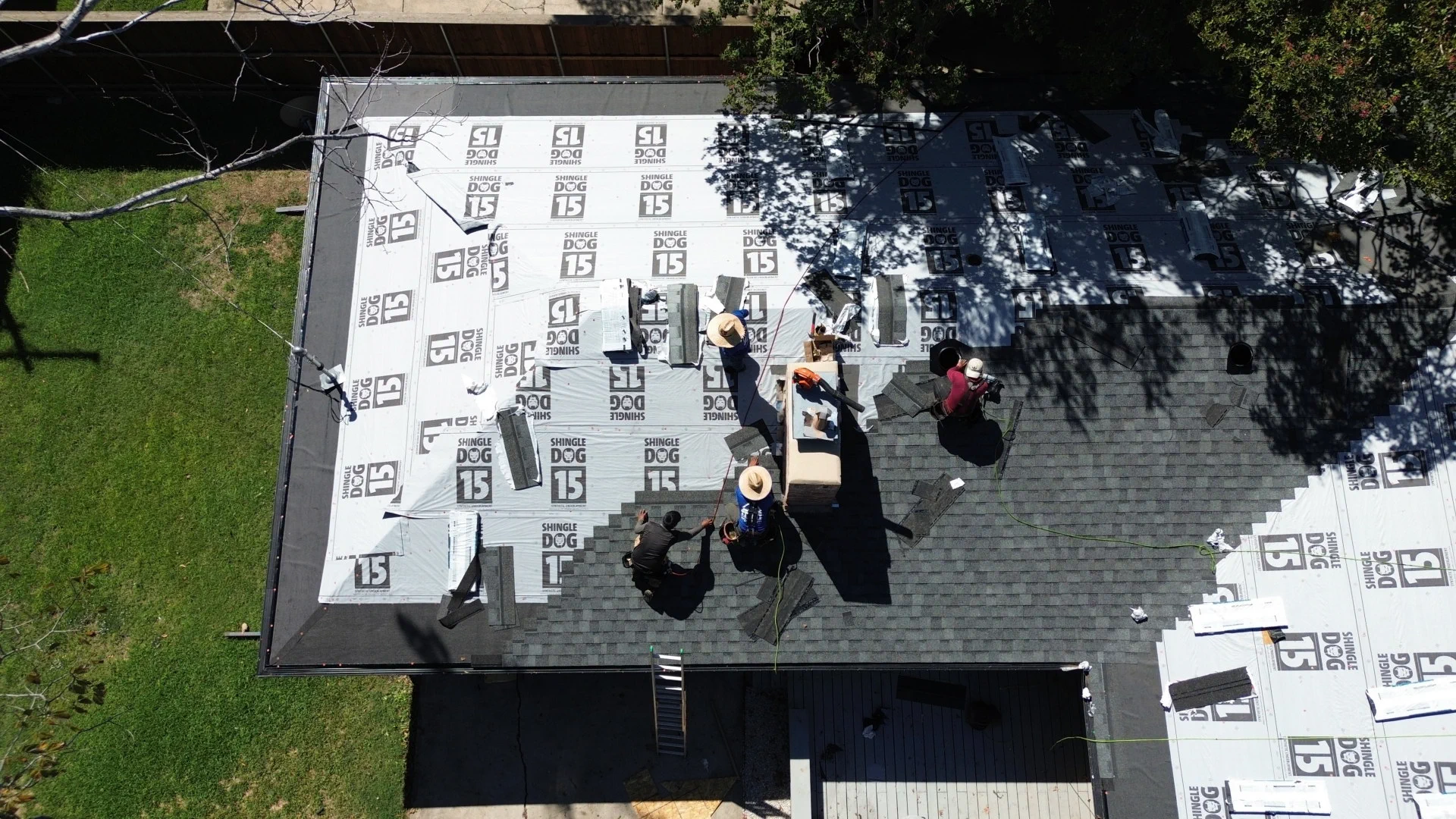
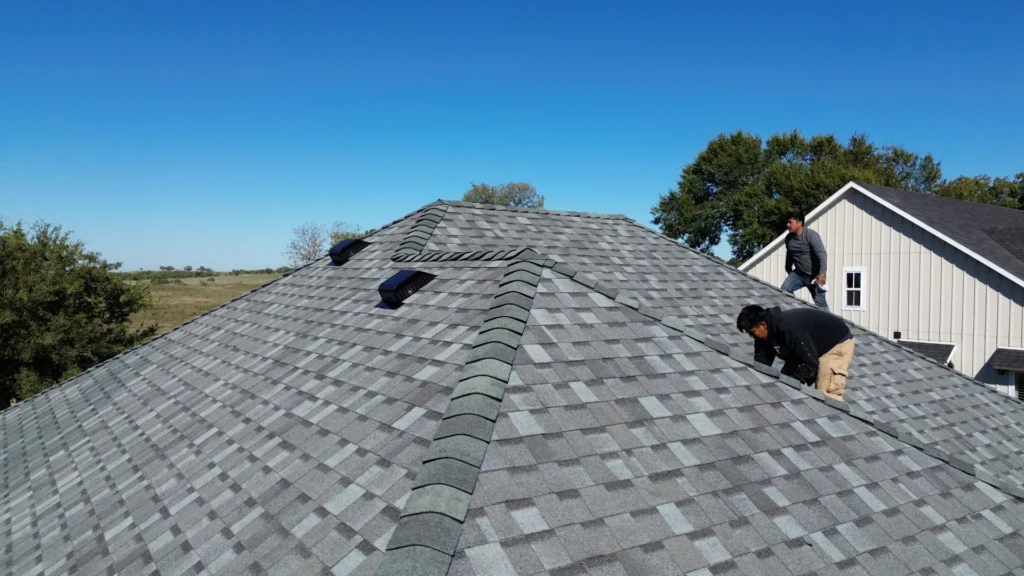
Execution focuses on detail-driven workmanship at penetrations, edges, transitions, and drainage points. These areas control long-term performance. We document work performed and maintain clear communication throughout the project lifecycle.
Long-Term Performance Perspective
Roofing decisions impact operations, budgeting, resale value, and risk exposure. Our approach prioritizes durability, service life, and realistic expectations rather than short-term solutions.
Direct Communication
Clients receive straightforward explanations of condition, options, limitations, and expected outcomes. We believe informed decisions lead to better long-term results.
Our Process
Assess
Evaluate building conditions, identify detailing risks, assess drainage and transitions, and clarify project constraints and goals.
Plan
Align solutions with performance goals, warranty requirements, code considerations, and operational realities. Define scope clearly before work begins.
Execute
Deliver disciplined installation with attention to penetrations, edges, and transitions. Maintain communication and document work performed throughout.
Support
Provide follow-up documentation, warranty coordination, and long-term maintenance guidance as appropriate for the project type.
When Additional
Evaluation Is Appropriate
For commercial properties and complex residential projects, structured evaluation may include:
Moisture mapping and infrared scanning to identify hidden saturation
Condition documentation for insurance, capital planning, or ownership transitions
Warranty compliance review prior to repair or restoration
Phasing analysis for occupied or operationally sensitive facilities
Maintain safer roof conditions for personnel and vendors
Additional evaluation steps are recommended based on building type, condition, and project goals — not as default add-ons.
Who This Approach Is Designed For
Our process is best suited for clients who value clarity, accountability, and informed decision-making over the lowest-friction transaction.
Commercial building owners and property managers responsible for capital roofing assets
General contractors who need roofing partners that can coordinate within structured project environments
Homeowners who want to understand their roof condition and options before committing to work
Architects and consultants who require technical fluency and documentation from their roofing contractors
PROTECT YOUR INVESTMENT
Work With a Structured Roofing Process
If you value clarity, disciplined evaluation, and documented execution, our approach may align with your expectations.