Our full website is on the way. In the meantime, everything you need is here.
- Residential & Commercial Roofing — Serving TX, NE, KS & MO
Cedar shake roofing presents unique insurance challenges that differ significantly from standard asphalt shingle roofs. In many Midwestern cities such as Omaha, Kansas City, Des Moines, and Minneapolis, cedar shake roofs remain common on residential properties. While valued for their character and architectural presence, these systems often require specialized evaluation during insurance claims.
Roofman’s provides structured inspection and documentation services to help homeowners navigate the complexities associated with cedar shake insurance claims.
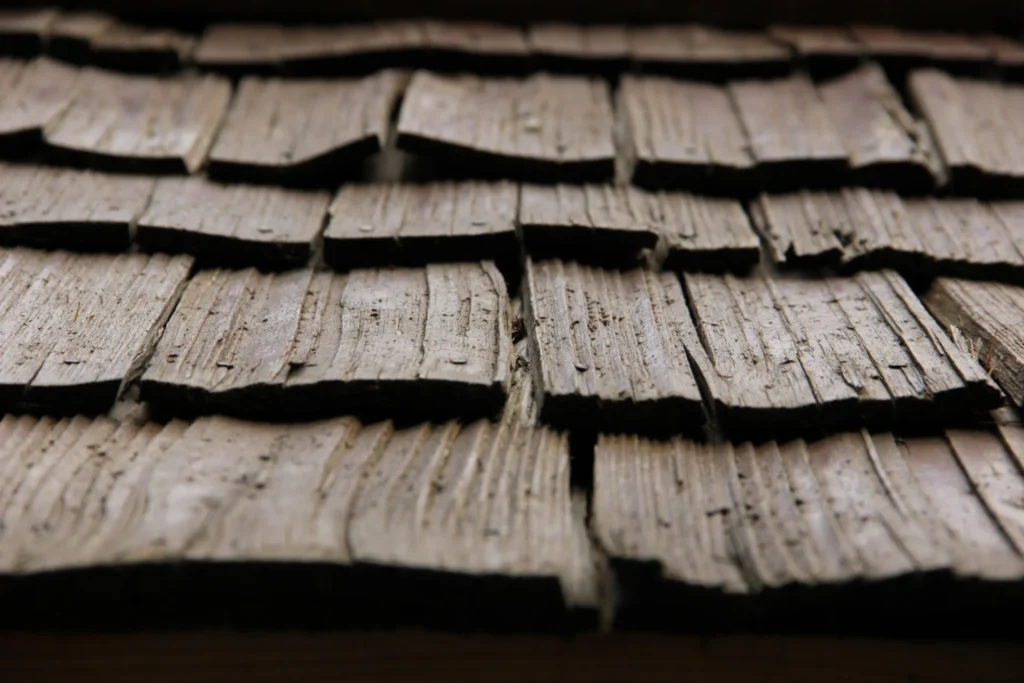
Cedar shake is one of the most resilient roofing materials available — when properly maintained, it performs for decades. But resilience has limits. After a significant hail or wind event, cedar shake sustains damage just like every other roof type. The difference is that damage to cedar shake is often less obvious than a cracked shingle or lifted membrane. Splitting, displacement, fastener fatigue, and surface fracturing can be present without being immediately visible from the ground.
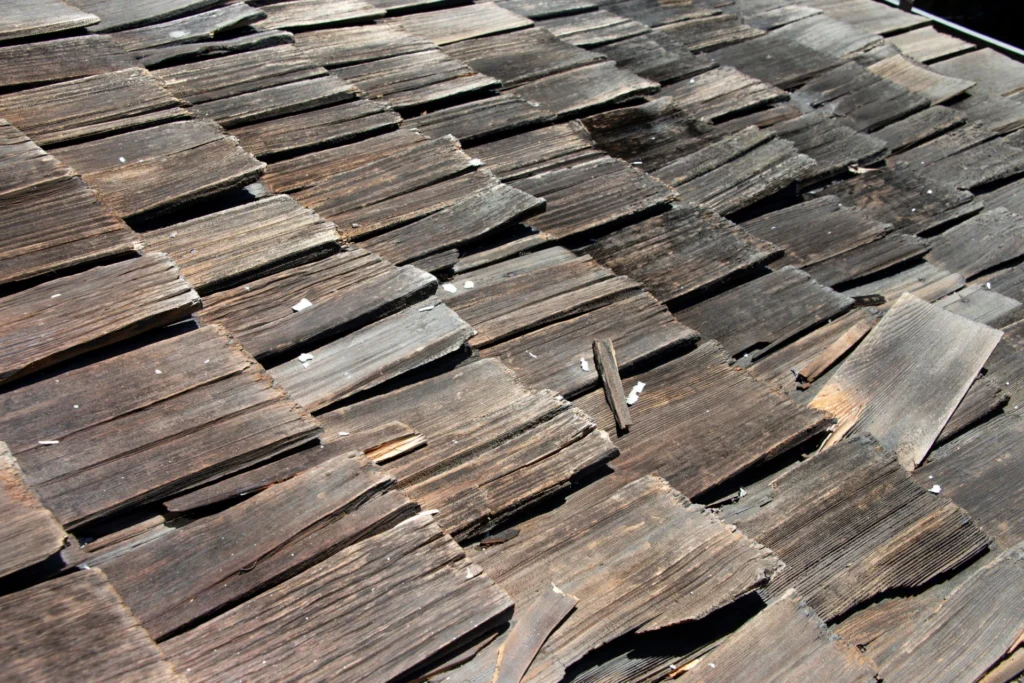
That matters because homeowners who don’t evaluate their options after a storm often bear the full cost of replacement out of pocket — a cost that an insurance claim may have covered. A cedar shake roof replacement is a significant investment. Pursuing a claim after a qualifying weather event is not aggressive or opportunistic. It is the prudent use of coverage you’ve paid for.
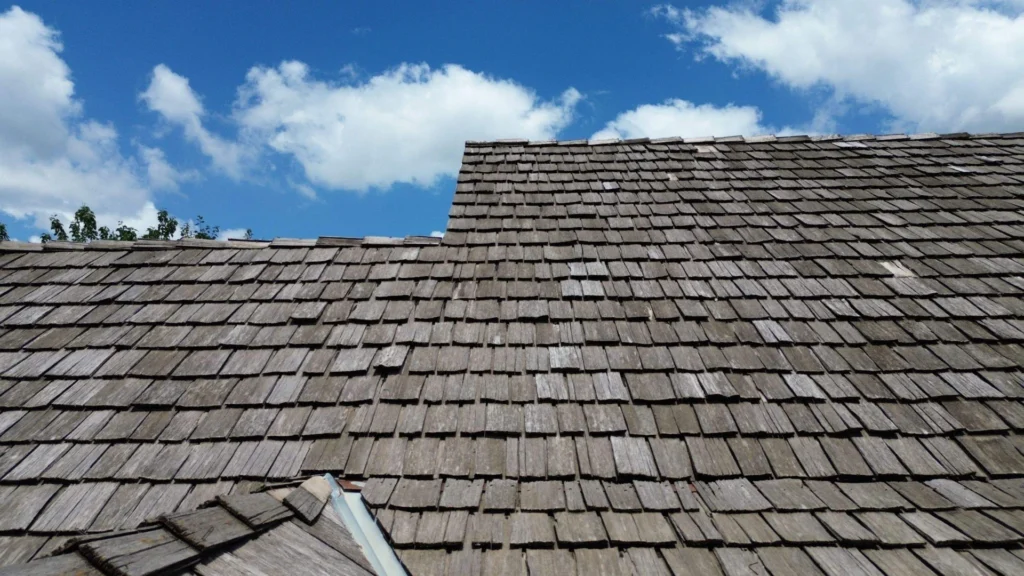
Roofman’s has specific experience evaluating cedar shake roofs in the context of insurance claims — understanding how to distinguish storm related damage from natural weathering, how to document findings in a format carriers can review, and how to navigate the unique coverage considerations that cedar shake systems involve. If your roof experienced a significant weather event and you haven’t had it evaluated, now is the time.
Cedar is a combustible material. In regions exposed to dry conditions or wildfire risk, insurers may view cedar roofing as a higher exposure system compared to impact rated or non combustible materials.
Cedar is an organic material that can be vulnerable to rot, cracking, warping, mold, and insect activity. Distinguishing between age related deterioration and storm related damage requires experienced evaluation and careful documentation.

Cedar shake roofs require ongoing maintenance to preserve performance. Insurers frequently evaluate maintenance history when reviewing claims.
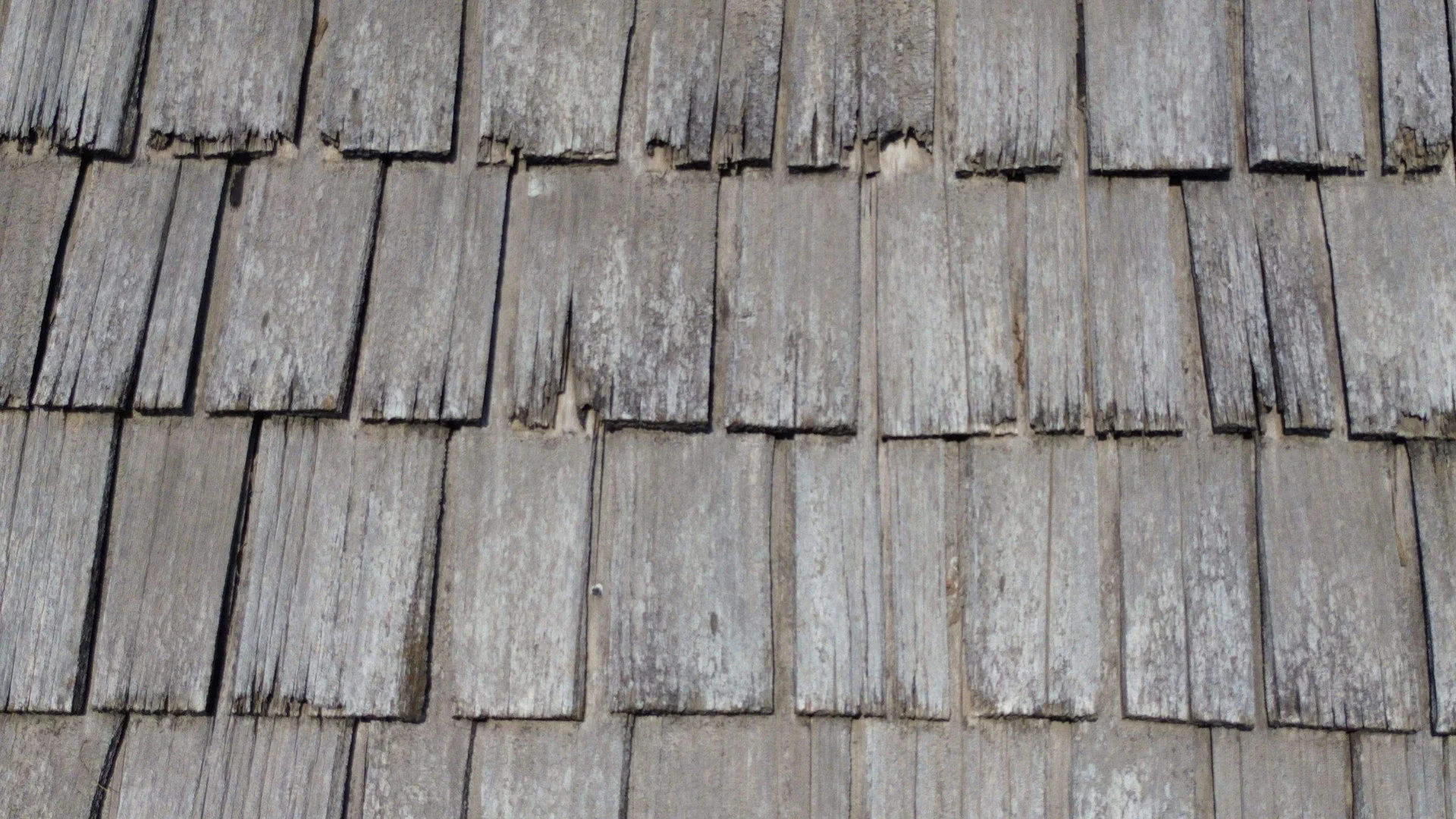
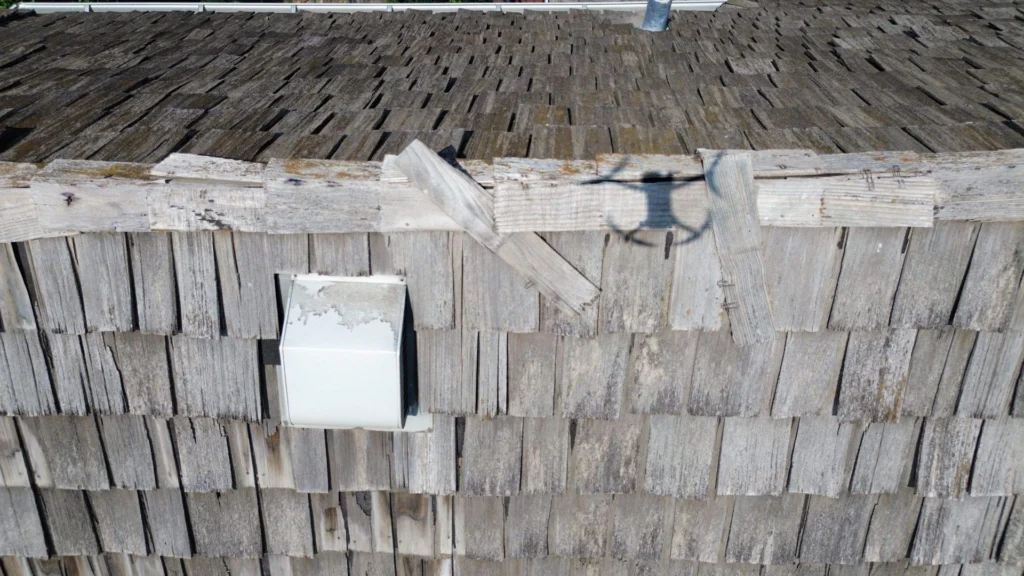
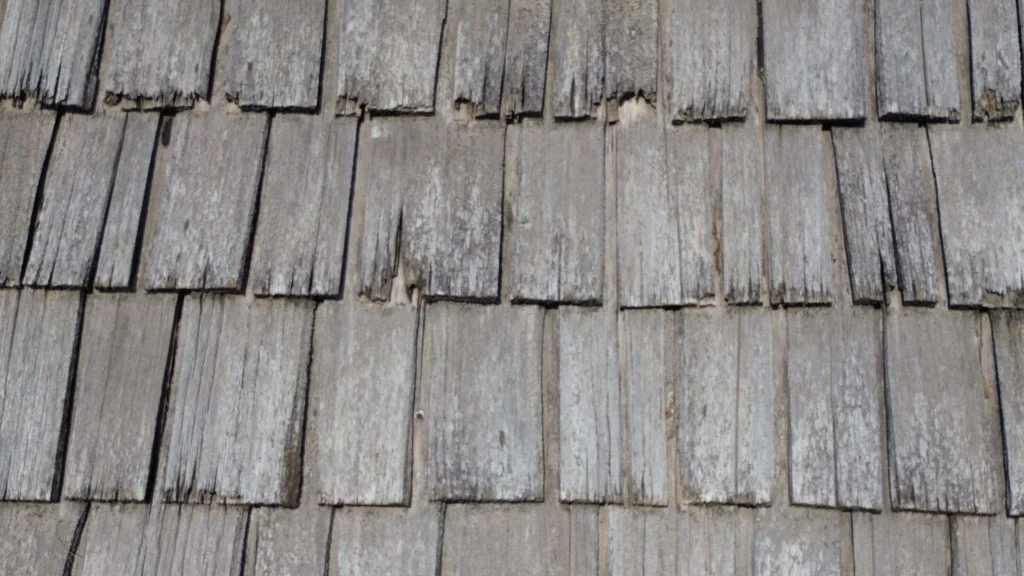
Cedar shake damage is rarely straightforward. Impact fractures, shake splitting, displacement, wind uplift, fastener fatigue, and surface checking must be evaluated in the context of age, weathering patterns, and overall roof condition.
Roofman’s evaluates the full roofing system including shakes, underlayment condition where visible, flashings, ridge details, ventilation components, and surrounding exterior elements to determine functional impact.
Cedar shake claims can involve detailed review due to the material’s natural characteristics. Roofman’s assists homeowners by providing organized documentation, condition summaries, and clear explanations of observed findings.
While claim determinations are made by the insurance carrier, structured reporting and technical clarity help ensure that damage is evaluated accurately.
Some carriers have become more restrictive regarding cedar shake coverage. In certain cases, partial repair may not be practical due to matching challenges, availability of materials, or overall roof age.
When replacement is considered, we outline options that align with performance goals, code requirements, and potential insurance implications.
When cedar shake is replaced following an insurance claim, many carriers now require or strongly incentivize replacement with a Class A fire-rated roofing system. Cedar shake, as an untreated wood product, does not meet Class A fire classification.
In practice, this means homeowners may not be able to replace cedar shake with the same material — either due to carrier requirements, local code adoption, or coverage limitations on combustible roofing systems.
Roofman’s discusses replacement options that meet Class A requirements, align with the home’s architectural character, and account for coverage implications — so homeowners can make informed decisions before the claim process advances.
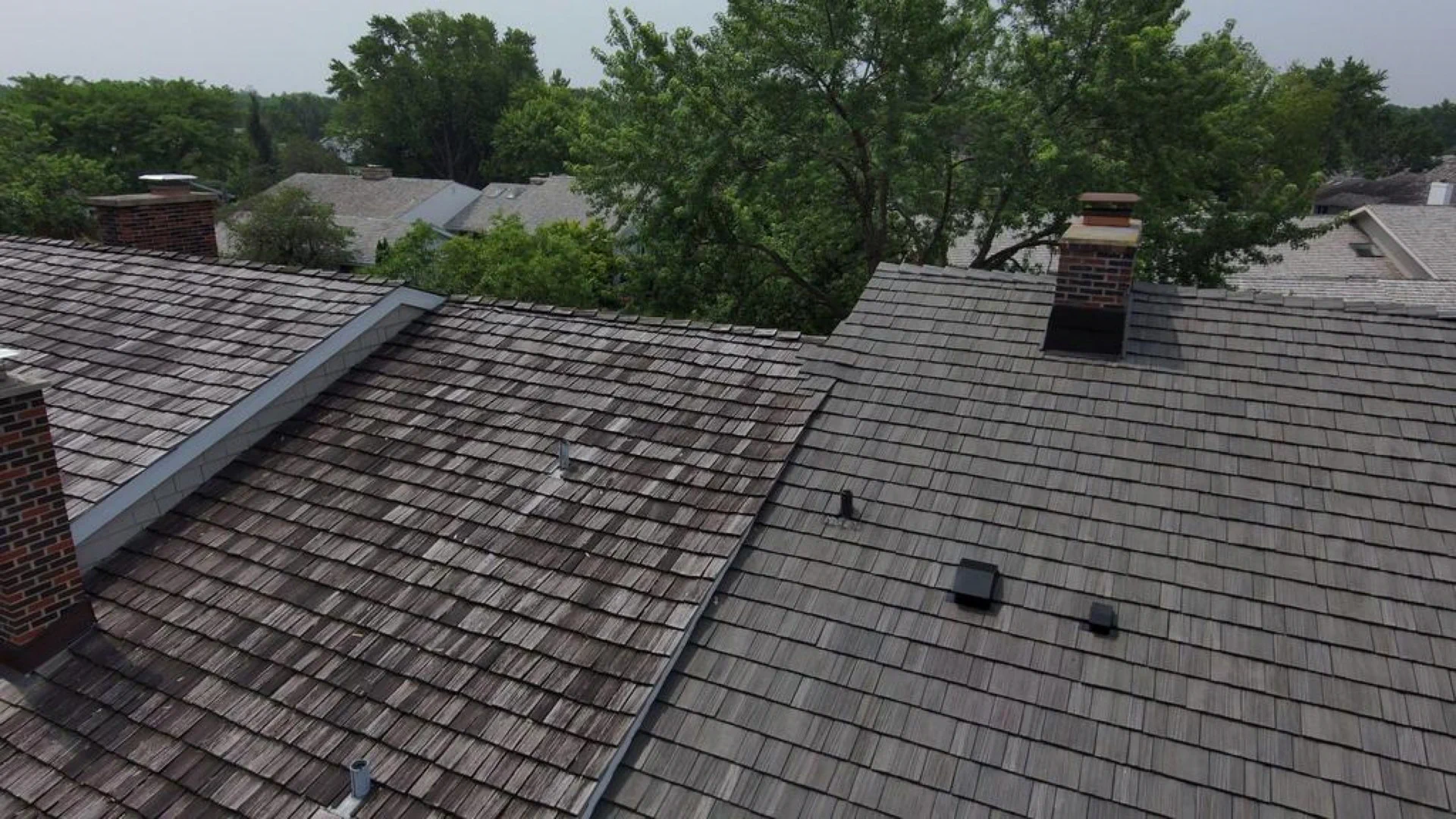
Cedar shake systems often require more detailed review because distinguishing storm damage from natural aging can be complex. Thorough documentation supports accurate evaluation.
Targeted repairs may be possible in certain situations. However, age, brittleness, and matching limitations may affect long term performance.
Not always — and in some cases, you may not be able to. Many insurance carriers now require or incentivize replacement with a Class A fire-rated roofing system when cedar shake is involved in a claim. Local codes in some jurisdictions also restrict re-roofing with combustible materials. We walk through your options clearly so you understand what’s covered, what’s required, and what performs best for your home long term.
Roofman’s provides inspection findings and structured documentation. Claim decisions and negotiations remain between the homeowner and the insurance carrier.
Cedar shake roofing requires careful evaluation during insurance related events. A structured inspection provides clarity, documentation, and practical next steps.